Riva del Garda
5 min walk
This northern hub serves as a central access point for canyoning and provides immediate connection to ferry and bus lines

Lake Garda is 52 kilometres long and split between three Italian provinces, which means the shortest line between two towns is rarely a road. This how to get around lake garda guide sets out how the pieces of the network fit together — water, tarmac and rail. It also flags the hours and the arrival window that decide whether a day runs smoothly or stalls in traffic.
Quick answer
There is no single ticket or gate: the public roads and ferry network around Lake Garda carry a 0 EUR entrance fee, with charges applied per individual ticket instead. Access runs 00:00–23:59 daily, though individual boat and bus services keep their own timetables. Arriving between 08:00 and 10:00 avoids peak traffic and crowded ferry terminals during the mid-day rush.
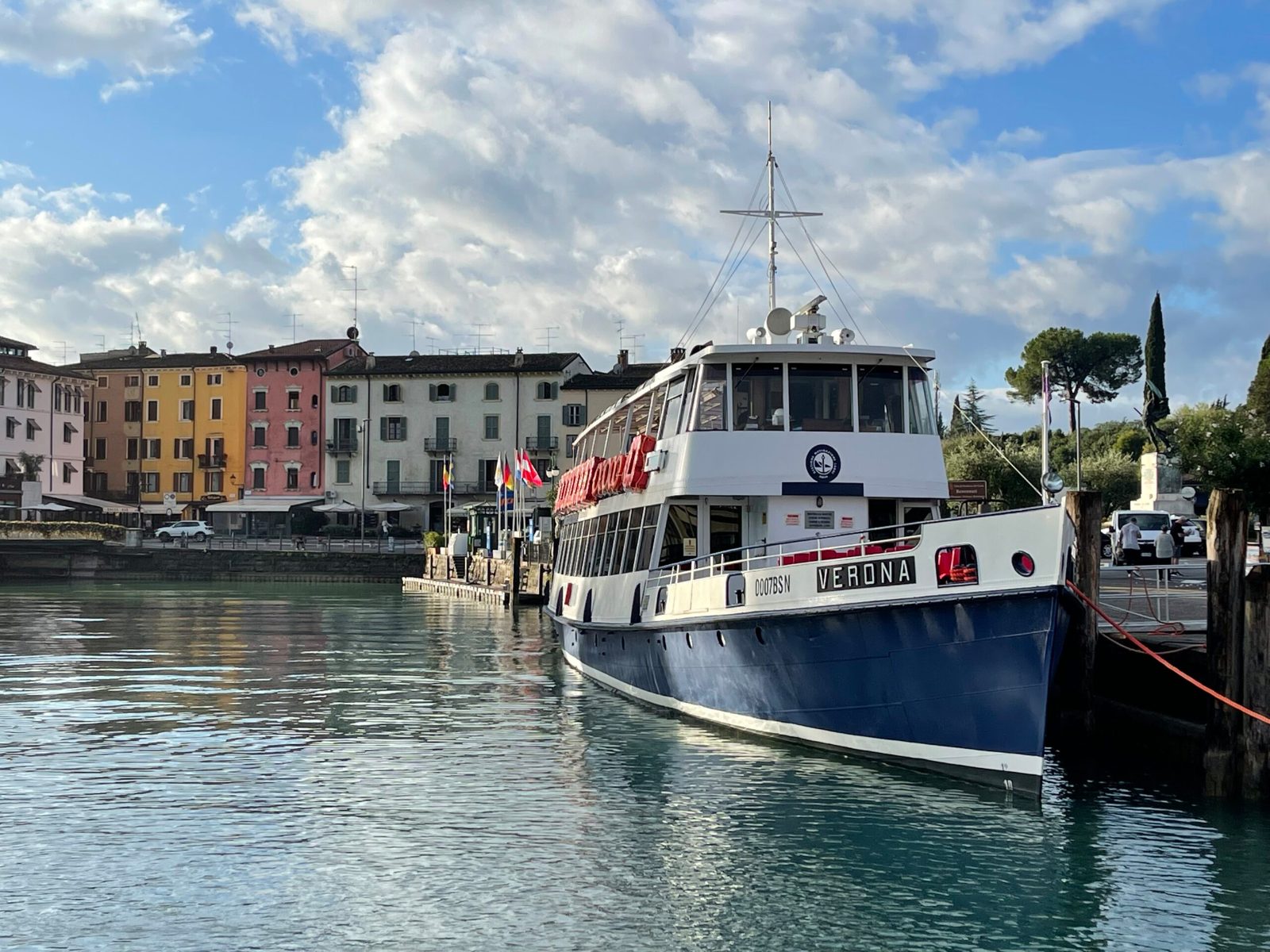
Lake Garda's western shore was effectively closed to wheeled traffic until 1931, when the Gardesana Occidentale was blasted through the cliffs above Limone sul Garda in a sequence of tunnels that still forces buses and camper vans into single file. That engineering history explains the modern puzzle. The lake is long, narrow and hemmed by rock at its northern end, so the transport network grew as three overlapping systems — water, road and rail — that meet at only a handful of points. Anyone working out how to get around lake garda is really choosing between those three. The passenger boats of the Navigazione Laghi fleet, including the car ferry between Toscolano-Maderno and Torri del Benaco, treat the water as the main road; a crossing that takes half an hour by hull can take well over an hour by shore. The Gardesana Orientale and Occidentale wrap the eastern and western banks respectively, carrying the regional bus routes that link Riva del Garda, Malcesine, Salò and Desenzano. Rail touches the lake only at its southern edge, at Desenzano del Garda–Sirmione and Peschiera del Garda, both on the Milan–Venice line. Sirmione's historic centre, guarded by the Scaligero Castle drawbridge, is pedestrian-only, and Limone's old harbour lanes are barely wider than a laden mule. Public roads and ferries themselves are free to use, and the network is technically open 00:00–23:59 every day of the week, though rolling stock and hulls follow published timetables that thin sharply outside summer. The practical consequence is that a Lake Garda transport plan works best when it is built around one base and short hops, not around circumnavigation. Travellers heading for canyoning meeting points in the Val di Ledro or the Brenta foothills should treat Riva del Garda and Torbole as their hinge, since bus connections north of Malcesine are sparser than the map suggests. Those staying south will find Peschiera and Desenzano better served by train and by the ferry lines fanning out towards Sirmione. Understanding how to get around lake garda before booking accommodation matters more than any single ticket decision, because the shore you sleep on determines which half of the lake is genuinely reachable in a morning. The official network information is published at visitgarda.com, and the sections that follow break down the routes, the seasons and the costs in detail.
“The shore you sleep on determines which half of the lake is genuinely reachable in a morning.”
Lake Garda is located in Northern Italy and is most efficiently navigated using a combination of regional ferries, bus lines, and private transport. The ferry network connects major lakeside towns, while road links follow the perimeter of the water.
Navigarda ferry network to major ports
Arriva line 484 (Riva del Garda to Peschiera)
SS45bis (western shore) or SR249 (eastern shore)
Trenitalia to Peschiera del Garda or Desenzano
The best arrival window is 08:00–10:00 to avoid peak traffic and crowded ferry terminals during the mid-day rush.
To navigate Lake Garda efficiently, aim for the best arrival window of 08:00–10:00. This timing allows you to avoid peak traffic congestion and the heavy crowds typically found at ferry terminals during the mid-day rush.
—
Quiet roads and terminals offer the most efficient travel experience.
Mild, 18°C–24°C
These shoulder months balance comfortable temperatures with lower visitor numbers.
Warm, 25°C–30°C
Traffic reaches maximum volume, making early morning departures necessary for transit.
Cool, 12°C–18°C
Reduced tourism leads to fewer delays on coastal roads and transport hubs.
Verdict: For the most efficient transit, travel Tuesday to Thursday between 08:00–10:00 during the months of May or October.
Access to the public infrastructure, including roads and local transit terminals at Lake Garda, is provided at no cost. Actual travel expenses are determined by the specific transit service and ticket selected for your journey.
Verdict: A typical adult pays per individual ticket, with the total cost changing based on the distance and type of transport service utilized.
Navigating Lake Garda requires combining multiple transport methods to bypass congestion and maximize time for your excursions.
Use the hydrofoil for north-to-south transit, then connect with local buses to reach specific canyoning trailheads. This avoids the heavy traffic common on the western Gardesana Occidentale road.
Leave your vehicle in designated peripheral lots in towns like Riva del Garda or Torbole. Walking or using local shuttles from these outskirts saves time otherwise spent searching for limited street parking.
Rent bicycles before the 08:00–10:00 window to access narrow paths inaccessible to cars. Returning them to a different station allows for one-way trips that maximize your active exploration time.
Consult official ferry timetables in advance to identify the slower, non-hydrofoil boats for scenic transit. These vessels often accommodate larger gear bags more easily than high-speed options.
Schedule travel between towns on Tuesday or Wednesday to encounter lower road density. Regional commuters and weekend visitors create significant bottlenecks on the coastal roads during other days.
Grouping nearby locations allows for more efficient travel when exploring the northern and western shores of Lake Garda. These destinations complement canyoning excursions by situating your activities within reachable distance of major transit hubs.
5 min walk
This northern hub serves as a central access point for canyoning and provides immediate connection to ferry and bus lines
15 min drive
Located just east, this area connects well with northern lake activities and offers distinct terrain suited for varied outdoor explorations
20 min drive
Accessible by ferry or road from the northern reaches, this town provides a logical stop for those moving along the western coastline
10 min drive
Positioned slightly inland, this location is a frequent base for canyoning participants and pairs naturally with trips to the northern lake shoreline
Everything you need to know about how to get around lake garda
To navigate the area effectively, utilize the integrated network of regional buses and public watercraft. Planning your route in advance using the official regional transit schedules helps streamline movement between the northern and southern shores.
Choosing between ferries and buses depends on your destination, as ferries offer scenic lake views while buses provide faster connections between mountain-side villages. Many travelers find that combining both modes is the most effective strategy for exploring the various lakeside communities.
For those seeking guidance on how to get around Lake Garda, the regional bus network connects major hubs while ferries serve as a primary link for coastal towns. It is helpful to check the official site for the most current timetables before departing.
While public roads and access points are free to enter, individual transit modes like ferries and buses require the purchase of tickets. Please note that entrance fee: 0 EUR refers to public access, but fees apply per individual ticket for all transit services.
The recommended arrival window is 08:00–10:00 to ensure you avoid peak traffic and crowded ferry terminals during the mid-day rush. Starting your day early allows for more flexibility and shorter wait times at popular boarding points.
Public transport is generally accessible for families with children, though ferry decks and buses can become crowded during peak hours. Ensuring you have your tickets prepared in advance helps maintain a smoother experience when traveling with young passengers.
Best Canyoning Spots in Lake Garda
Read more Tickets & toursCanyoning Tours in Lake Garda
Read more Tickets & toursCanyoning with Kids in Lake Garda
Read more GuideCanyoning in Lake Garda: October Tips
Read more Tickets & toursFamily Canyoning in Lake Garda
Read more Tickets & toursCanyoning in Torbole
Read more